Transforming Historical Buildings: Renovation Success Stories
- sydaday
- Jan 9
- 4 min read
Renovating historical buildings is not just about preserving the past; it’s about breathing new life into structures that tell stories of our heritage. As cities evolve, these buildings often face the threat of neglect or demolition. However, many successful renovation projects have demonstrated that with creativity and respect for history, we can transform these spaces into vibrant parts of our communities. In this post, we will explore several inspiring renovation success stories that highlight the potential of historical buildings.
The Importance of Renovating Historical Buildings
Preserving Cultural Heritage
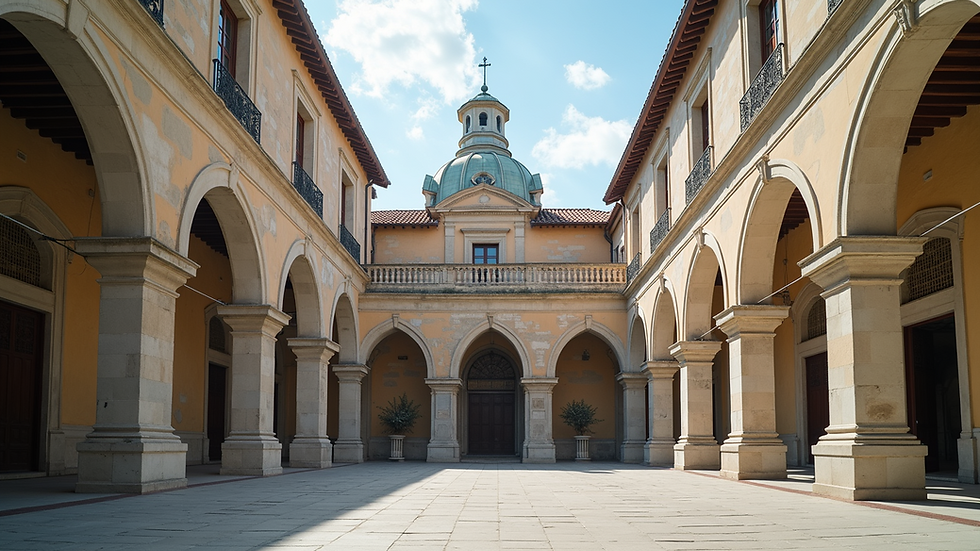
Historical buildings are more than just bricks and mortar; they are symbols of our cultural identity. Renovating these structures helps preserve the stories and traditions that define us. By maintaining their original features while updating them for modern use, we ensure that future generations can appreciate their significance.
Economic Benefits
Renovating historical buildings can also provide significant economic benefits. These projects often attract tourism, create jobs, and stimulate local economies. For instance, a well-executed renovation can increase property values in the surrounding area, making it a win-win for both the community and investors.
Environmental Sustainability
Renovation is often more sustainable than new construction. By reusing existing materials and structures, we reduce waste and minimize the environmental impact associated with building new facilities. This approach aligns with the growing emphasis on sustainability in architecture and urban planning.
Case Study 1: The High Line, New York City
One of the most famous examples of successful renovation is the High Line in New York City. Originally a freight rail line, this elevated structure was transformed into a public park. The project began in 2006 and has since become a model for urban renewal.
Key Features of the Renovation
Preservation of Historical Elements: The design retained many original features of the rail line, including tracks and steel beams, which add character to the park.
Community Engagement: The project involved extensive community input, ensuring that the park met the needs of local residents.
Sustainable Design: The High Line incorporates native plants and sustainable landscaping practices, enhancing biodiversity in the urban environment.
Impact on the Community
The High Line has not only revitalized a neglected area but has also spurred economic development. New businesses, restaurants, and residential buildings have sprung up along the park, creating a vibrant neighborhood that attracts millions of visitors each year.
Case Study 2: The Tate Modern, London
The Tate Modern is another remarkable example of transforming a historical building into a cultural landmark. Housed in a former power station, this museum has become one of the most visited art institutions in the world.
Renovation Highlights
Adaptive Reuse: The renovation preserved the building's industrial character while creating spacious galleries for contemporary art.
Innovative Design: The architects incorporated a new glass extension, known as the Blavatnik Building, which provides stunning views of the Thames and the city.
Public Accessibility: The museum emphasizes accessibility, with free entry to the main collection, making art available to everyone.
Cultural and Economic Impact
The Tate Modern has significantly contributed to London's cultural landscape and economy. It attracts millions of visitors annually, boosting local businesses and enhancing the city’s reputation as a global art hub.
Case Study 3: The Ferry Building Marketplace, San Francisco
The Ferry Building in San Francisco is a prime example of how a historical structure can be revitalized to serve modern needs. Originally built in 1898, the building underwent a major renovation in 2003.
Renovation Features
Market Space: The renovation transformed the building into a vibrant marketplace featuring local vendors, restaurants, and shops.
Preservation of Historical Elements: The iconic clock tower and original architectural details were preserved, maintaining the building's historical significance.
Sustainable Practices: The project emphasized sustainability, incorporating green building practices and promoting local food systems.
Community Engagement and Economic Growth
The Ferry Building Marketplace has become a beloved destination for locals and tourists alike. It supports local farmers and artisans, contributing to the local economy while fostering a sense of community.
Challenges in Renovating Historical Buildings
While the success stories are inspiring, renovating historical buildings comes with its own set of challenges. Here are some common obstacles faced during these projects:
Regulatory Hurdles
Many historical buildings are protected by regulations that can complicate renovation efforts. Navigating these regulations requires careful planning and often involves working closely with preservation societies and local governments.
Balancing Modern Needs with Historical Integrity
Finding the right balance between modern functionality and historical preservation can be tricky. Renovators must ensure that updates do not compromise the building's character while still making it suitable for contemporary use.
Financial Constraints
Renovation projects can be costly, and securing funding can be a challenge. Many successful projects rely on a combination of public and private funding, grants, and community support to bring their visions to life.
Best Practices for Successful Renovations
To overcome these challenges and ensure successful renovations, consider the following best practices:
Engage the Community
Involving the community in the renovation process can lead to better outcomes. Gather input from local residents, businesses, and stakeholders to understand their needs and desires for the space.
Collaborate with Experts
Work with architects, historians, and preservationists who specialize in historical renovations. Their expertise can help navigate regulatory requirements and ensure that the project respects the building's historical significance.
Prioritize Sustainability
Incorporate sustainable practices into the renovation process. This can include using eco-friendly materials, improving energy efficiency, and promoting local resources.
Document the Process
Keep thorough documentation of the renovation process. This not only helps with transparency but also serves as a valuable resource for future projects and for educating the community about the building's history.
Conclusion
Renovating historical buildings is a powerful way to preserve our cultural heritage while adapting to modern needs. The success stories of the High Line, Tate Modern, and Ferry Building Marketplace demonstrate that with creativity, community engagement, and a commitment to sustainability, we can transform these structures into vibrant spaces that benefit everyone. As we look to the future, let us continue to embrace the potential of our historical buildings, ensuring they remain integral parts of our communities for generations to come.
By investing in these renovations, we not only honor our past but also pave the way for a brighter, more connected future.

Comments